Security in certificates of authenticity: how to recognise a reliable one
Which security features protect a certificate of authenticity, and a checklist to tell a reliable certificate from a worthless one.
Contents
A certificate of authenticity (COA) is a document that verifies the authenticity of a product, a work of art or another item. But a certificate only protects if it cannot itself be forged. In this article I explain what certificates are used for, what security features they usually include and how to recognise a reliable one.
What are certificates of authenticity used for?
Expensive, uncommon or collectable objects that can be replicated or forged usually need a certificate of authenticity. For example:
- Art: original paintings, sculptures and prints, to confirm their history and validity.
- Rare coins: a frequent target for forgers.
- Collectables: stamps, sports memorabilia, trading cards, autographs and signed documents.
- Luxury goods: designer handbags, watches and jewellery.
In general, a COA is useful for anyone buying or selling an expensive or rare object who wants to be sure it is not a replica. It also helps determine the item's value for insurance or resale and provides information about its provenance and history.
Why certificate security matters
An official certificate informs the buyer and builds trust; it can also be used as a sales tool. But if the certificate can be copied or invented, it no longer protects anyone. That is why security features are as important as the examination of the item itself.
Common security features
| Feature | How it works |
|---|---|
| Watermark | An image or pattern embedded in the paper, visible against the light, which makes photocopying harder. |
| Hologram | A three-dimensional image produced with laser technology, difficult to copy. |
| Serial number | Identifies the certificate and links it to a specific item; allows its provenance to be traced. |
| Security printing | Microprinting or invisible ink that can only be seen with a magnifier or ultraviolet light. |
| Digital security | Digital signatures or QR codes that make it possible to confirm the validity of the certificate and the product. |
How to recognise a reliable certificate: a checklist
- It identifies the author: name, qualifications and contact details of the person who signs it.
- It describes that item: a photograph, dimensions and a description that could not apply to another item.
- It explains the scope: whether the original was examined or only photographs.
- It has a unique number and can be checked with its issuer.
- It includes security features that make it hard to copy.
- It avoids absolute or vague guarantees: a serious conclusion states its degree of certainty.
If a certificate is missing several of these points, treat it with caution and ask for a second opinion.
Conclusion
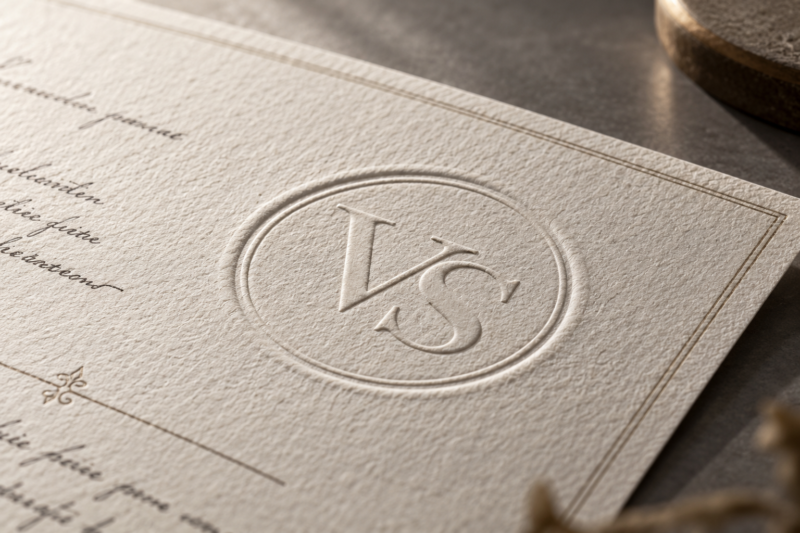
Certificates of authenticity are an important part of any transaction involving rare or valuable objects: they create trust between buyer and seller and help owners prove the authenticity of their items. Their security features aim to ensure that nobody can copy them and that anyone can check them. The VS Certificate combines physical security, a link to the specific item and an online register.
Frequently asked questions
Why doesn't the VS Certificate explain its security features in detail?
So as not to make forgers' work easier. What is public is the verifier, where anyone can check the number.
What should I do if I have doubts about a certificate?
Ask the seller to verify it with its issuer, or get an independent second opinion before buying.
Would you like to certify a signature?
Send me a few photos and I'll tell you what certification costs. The preliminary assessment (€25) is deducted from the price of the certificate. Physical + digital or digital-only certificate, with a verifiable number.
Juan García Nicolás · Graphologist and forensic handwriting examiner
Trained at Ipsigrap, he personally signs every VS Certificate. Service in English and Spanish. More about me